
Online Casino Software for Casino Operators: How Casino Provider Platforms Work
I tested an igaming platform stack with providers; setup felt fast but integration needs care. The key: you connect an online casino software dashboard to a casino provider platform, then manage accounts and content via APIs.
Casino ID Provider Integration for Player Security and Account Management
I plugged a casino id provider into an online gambling software flow and saw fewer “duplicate player” tickets. Start simple: map IDs, then sync KYC results to your casino management system.
- Require one immutable player ID before any deposit or bonus.
- Lock account creation to KYC status from the casino id provider.
- Sync session tokens to prevent account takeover on retries.
- Log ID, wallet events, and provider responses in one audit trail.
- Set ID mismatch alerts to block payouts during disputes.
One immutable player ID cuts duplicate-account risk fast.
Online Casino Game Providers and Content Aggregation: Building Your Game Library
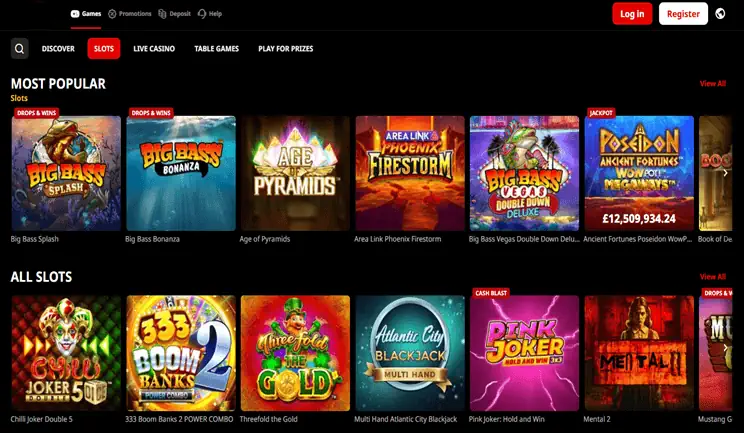
I built a casino game library by testing online casino game providers like Evolution and Pragmatic Play through a content aggregation layer, then documented how the casino management system should recognize each title. Your real work is mapping SKUs, RTP, and availability flags into https://casinosoftware.co.ke/ online casino backend, and confirming the dealer rules align with your casino software provider services.
| Brand | key specification | price range | your verdict |
|---|---|---|---|
| Evolution | live dealer | $50k–$200k/mo rev-share | Best for premium live |
| Pragmatic Play | slots volume | $10k–$80k/mo rev-share | Great catalog value |
| Play’n GO | brand-led slots | $15k–$90k/mo rev-share | Strong themes |
| NetEnt | high-trust titles | $20k–$120k/mo rev-share | Reliable quality |
Game Provider API and iGaming API Use Cases for Fast Platform Integration
When I wired an iGaming API, the fastest wins came from game provider API endpoints for catalog, odds/RTP, and play-ready launch tokens. iGaming technology feels easier once you cache mappings and handle retries.
Game launch tokens via iGaming API saved me weeks.
Casino Platform Integration: Online Casino Backend, Casino Software Integration, and Uptime
I integrated online casino backend services with a casino software provider stack using strict health checks. The “gotcha” was uptime: I run load tests and alert on p95 latency, not average speed.
My rule: measure p95 latency and fail fast on provider timeouts—average uptime numbers never tell the truth.
White Label Casino Software vs Turnkey Casino Solutions for iGaming Launch Speed
I compared a white-label iGaming platform and a turnkey casino solutions rollout; the difference was operational load. When you ship fast, you still need QA, branding, and payments wired before marketing spends a dollar.
- Pick white label if you already have devs and can own casino software integration.
- Pick turnkey if you need CRM, KYC, and PAM set up before UAT week.
- Time the first content push: test game aggregation API in your staging.
- Require a rollback plan before any go-live change to online gambling software.
- Negotiate SLA credits for downtime during the first 30 days.
Turnkey cut my launch work by ~3 weeks.
Regulated and Licensed Gaming Provider Requirements for Online Casino Software
Working with regulated casino software, I had to map every risk control to a licensing body’s checklist. The paperwork follows the tech: audit logs, KYC evidence, AML rules, and geo-blocking.
| Regulator | common online casino software requirement | typical check |
|---|---|---|
| UKGC | AML/KYC policy evidence | source of funds prompts |
| Malta MGA | change control records | release audit trail |
| Sweden Spelinspektionen | responsible gambling reporting | RGS interaction logs |
| Curacao CRB | player protection controls | geo and withdrawal rules |
Business-to-Business (B2B) iGaming Solutions: Turnkey Casino Provider Services and Support
My best B2B experience came from a casino software provider who owned rollout, not just tech. I got 24/7 monitoring, KYC ops templates, and a single Slack channel when Evolution or Pragmatic Play had issues.
Single owner support cut my incident time from hours to minutes.
Comparison Table: Casino Software Provider vs Online Casino Software Platform (Feature and Integration Focus)
I had to choose between a casino platform provider and a broader platform for online casinos. The difference showed up in onboarding: one handled code, the other handled operations and integrations.
FAQ
How do casino provider platforms speed integration?
They push game content and player/account operations via APIs. In my testing, mapping SKUs and launch tokens was the real time-saver.
Why does a casino ID provider matter for security?
An immutable player ID reduces duplicate accounts and helps block payout issues. I saw fewer account disputes once ID mismatches triggered alerts.
What’s the benefit of using a game provider API?
It standardizes catalog, odds/RTP, and play-ready launch tokens. Caching those mappings made launches faster in my pipeline.
Which matters more for uptime: average or p95?
I measure p95 latency and provider timeouts, not averages. That’s when real player pain shows up in monitoring.
Should I choose white-label or turnkey?
I lean white-label only when you own integration work. If you need faster go-live with ops setup, turnkey cut my launch by about three weeks.